Navigating the Journey: Empowering Cancer Patients Through Knowledge and Support
In the face of a cancer diagnosis, it’s easy to feel overwhelmed. The unknowns that surround malignancy, from the specifics of your tumor to the most effective treatment options, can create an environment of fear and uncertainty. Yet, one of the most powerful tools to combat this fear is knowledge. Cancer education empowers patients, providing them with the health information necessary to make informed decisions about their treatment and care. As they say, 'Knowledge is power,' and this is especially true in the realm of oncology. So, how do we unlock this power?
Understanding the specifics of your cancer—from the type of carcinoma to the available treatment options—creates a foundation of confidence. For instance, learning about the various approaches like chemotherapy, immunotherapy, and radiation therapy enables patients to engage more effectively with their healthcare teams. Instead of feeling like passive recipients of health decisions, informed patients can ask questions, voice concerns, and tailor their treatment pathways. Have you ever considered how different treatment options, such as palliative care or clinical trials, might impact your journey? This insight not only contributes to better symptom management but also aids in understanding prognosis and survivorship.
Cancer awareness can spark a transformation in how patients view their illness. It emphasizes the importance of regular screenings and understanding risk factors associated with various malignancies. By prioritizing health education, patients are encouraged to take preventive measures, thereby potentially reducing the risk of developing certain tumors. What if the key to a healthier future was simply understanding your risk factors and making proactive lifestyle changes? Empowering patients through education is about creating a community of awareness and support around cancer.
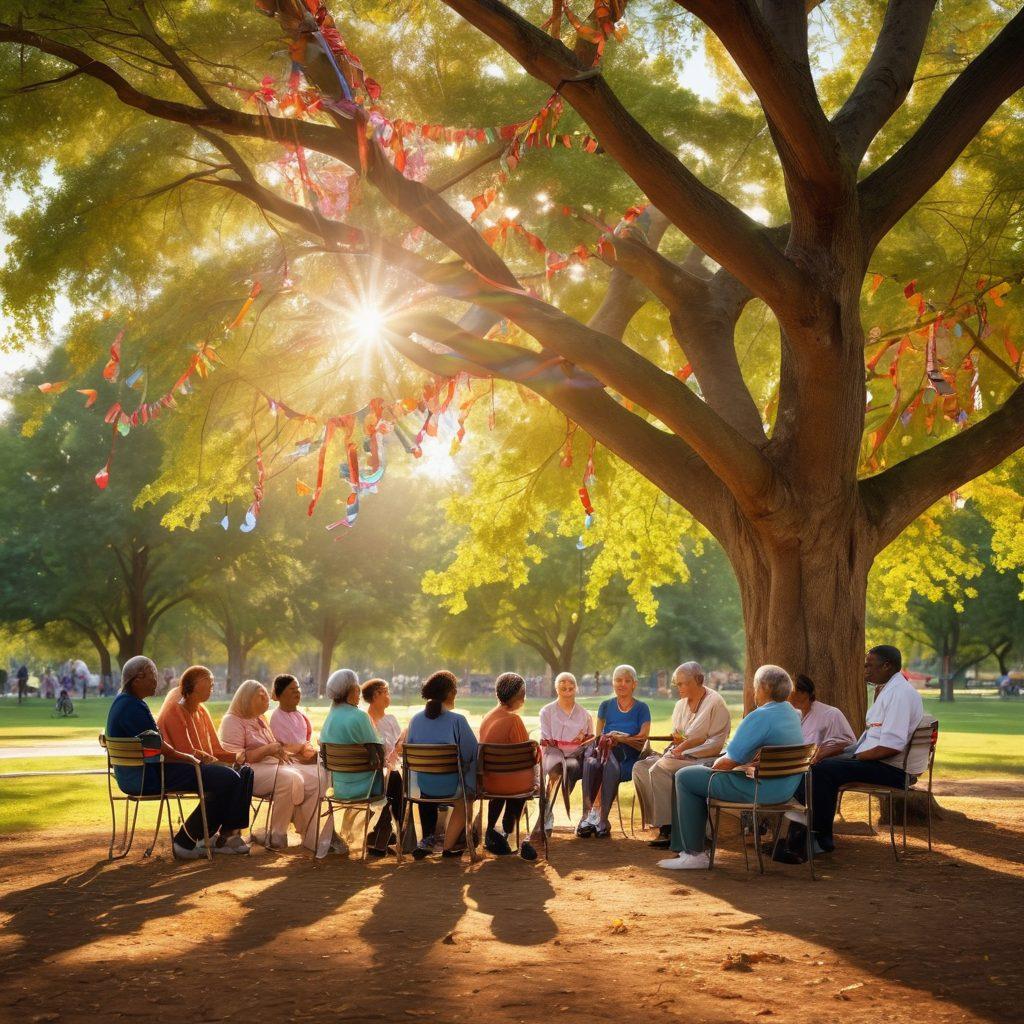
As we delve into the realms of cancer resources, it's essential to highlight the role of community support. Connecting with others who are going through similar experiences can reduce feelings of isolation. Support groups and online forums can provide not just emotional support but also shared knowledge and practical advice about effective nutrition and cancer treatments. After all, your healthcare journey is a marathon, not a sprint. Have you explored your local cancer support resources, where you might find both knowledge and community?
Ultimately, cancer education is not merely about academic knowledge—it's about fostering a holistic approach to healthcare. From understanding the nuances of tumor biology to learning innovative treatment options, education helps patients take control of their health journey. Exploring evidence-based treatment methods and integrating lifestyle changes can lead to improved outcomes and an enriched quality of life. What steps will you take to unlock the power of knowledge in your own health journey? Only you have the key to empowering yourself and those around you.
Navigating Treatment Options: From Chemotherapy to Immunotherapy and Beyond
Navigating the labyrinth of cancer treatment options can often feel like an overwhelming journey. With an ocean of information at your fingertips, patients and their families are left seeking clarity amidst the complex terminology of oncology. From chemotherapy to immunotherapy, understanding these treatment modalities is crucial for empowering individuals facing carcinoma. In this blog, we will explore the various avenues of treatment available, providing valuable insights into each and fostering an environment of cancer awareness and health education.
When we think about cancer treatment, chemotherapy often pops into our minds first. This well-known form of treatment aims to target rapidly dividing tumor cells but comes with its own set of side effects. Many patients worry about how chemotherapy will impact their everyday life—how can one manage the nausea, fatigue, and emotional burden that accompany this treatment? It's essential to equip oneself with symptom management techniques, which can range from dietary changes to mindfulness practices. Have you ever wondered how these lifestyle changes can enhance your quality of life during treatment?
As we delve deeper into the evolving field of cancer research, we discover promising alternatives like immunotherapy. This innovative approach harnesses the power of the immune system to fight malignancy, offering hope to many who have exhausted traditional therapies. This leads us to an important question: Could immunotherapy be a game changer in your cancer journey? Moreover, as patients explore treatment options, clinical trials emerge as vital resources worth considering. These studies often provide access to cutting-edge therapies and contribute significantly to the body of evidence-based treatment.
Another key player in the array of treatment options is radiation therapy. This method employs high-energy rays to target tumors, shrinking them and alleviating symptoms. Understanding the nuances of each treatment—how combinations, like chemotherapy and radiation, may be more effective than either alone—can inform better decision-making. Palliative care too plays a pivotal role, focusing on comfort and support rather than solely treatment. It’s a reminder that survivorship isn't just about fighting the disease; it's also about preserving your well-being and dignity throughout the process.
Incorporating community support and rich cancer resources can dramatically impact one's well-being. Whether that's connecting with a local support group, accessing nutrition and cancer guides, or seeking holistic approaches to treatment, having a strong support network can empower individuals to take charge of their health care experience. So, as we reflect on all these options, remember: knowledge is power. How will you navigate your journey with all this health information at your disposal? You are not alone, and together we can foster a culture of acceptance, resilience, and hope in the face of cancer.
Building a Supportive Community: The Importance of Patient Connections in Cancer Care
In the heart of every oncology department lies a profound truth: cancer can feel overwhelmingly isolating. When faced with a diagnosis of carcinoma or any malignancy, patients often find themselves navigating a complex landscape filled with health information that can be difficult to decipher. But what if, instead of facing this journey alone, patients could form meaningful connections with others who understand their struggles? Building a supportive community is not just a comforting idea—it's a crucial component of cancer care that can empower individuals and enhance their treatment experiences. After all, isn't the journey easier when shared?
As we delve deeper into the significance of patient connections, let's reflect on the power of shared experiences. Imagine a space where stories of survivorship are celebrated, where advice on symptom management flows freely, and where cancer resources become more accessible through community networks. Each patient brings a unique narrative, a wealth of knowledge gained from their personal battles, which can be incredibly valuable for others. In this interconnected web of support, learning about treatment options such as immunotherapy, radiation therapy, or chemotherapy becomes less daunting. Engaging with others gives rise to a rich tapestry of collective wisdom, making cancer awareness a community-driven effort rather than a solitary struggle.
But how can these connections actually make a difference? Studies indicate that involvement in supportive networks significantly enhances the emotional well-being of cancer patients. Questions about prognosis, preventive measures, and lifestyle changes are often overwhelming to face in solitude. By discussing these topics within a supportive community, patients can glean insights and encouragement that foster resilience. For instance, sharing nutrition and cancer strategies can empower individuals to take proactive steps towards their health, transforming fear into actionable knowledge. How could your life change if you didn't feel alone in this journey?
Moreover, the importance of patient support extends beyond emotional healing—it's about fostering a culture of health education and promoting collaborative engagement between patients, caregivers, and healthcare professionals. When individuals come together, they can advocate for better cancer resources, increase participation in clinical trials, and highlight the significance of a holistic approach to treatment. Could your participation in such a community initiate a ripple effect, inspiring others to seek the comprehensive support they need? It's a powerful thought.
As we consider the ways to cultivate these connections, let’s not forget the value of ongoing cancer research, which continues to shape how we understand and manage this disease. Engaging with community support means not only sharing stories but also remaining informed about the latest evidence-based treatments and developments. This proactive approach to learning can open doors to incredible discoveries that might empower your fight against cancer. So, as you embark on this journey, hold onto the belief that within these connections lies the strength to transform fear into hope, making the road to survivorship a shared adventure.